2026-10-01
Life
2026-04-02
46 Read.
The first attempts at a craft rarely resemble the finished objects that inspired them. Uneven stitches, awkward joins and hesitant marks are part of discovering how a material responds. Treating those early pieces as observations can make the process more enjoyable than judging each one as a product.
A manageable starting point is a small exercise with one main skill. Repeating a basic shape or connection helps the learner recognise which changes come from pressure, position or sequence. A complicated project can hide these relationships beneath too many simultaneous decisions.
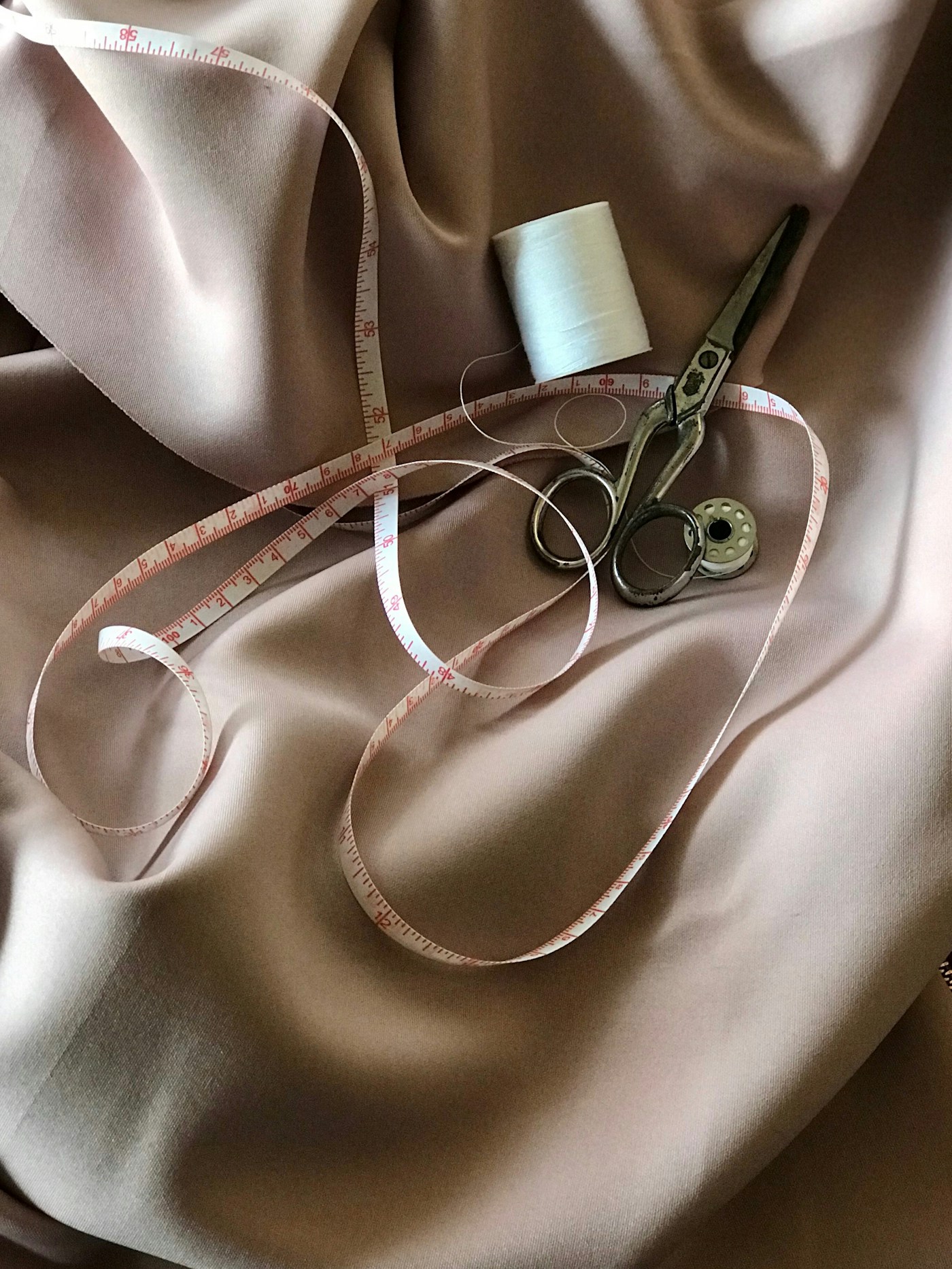
Materials also affect the experience. A convenient setup that can be put away easily gives practice a better chance of fitting into ordinary life. Tools should suit the chosen activity, but acquiring more equipment is not the same as acquiring a clearer understanding of the task.
Keeping an early attempt can be surprisingly useful. Comparison makes gradual changes visible and preserves a record of problems already solved. The aim need not be mastery on a schedule. A craft can offer an absorbing way to spend time, with progress emerging from attention rather than a demand to produce something impressive.

2026-10-01
Life

2026-09-09
Life
2026-08-09
Life
