2026-10-05
Manufacturing
2026-04-27
9 Read.
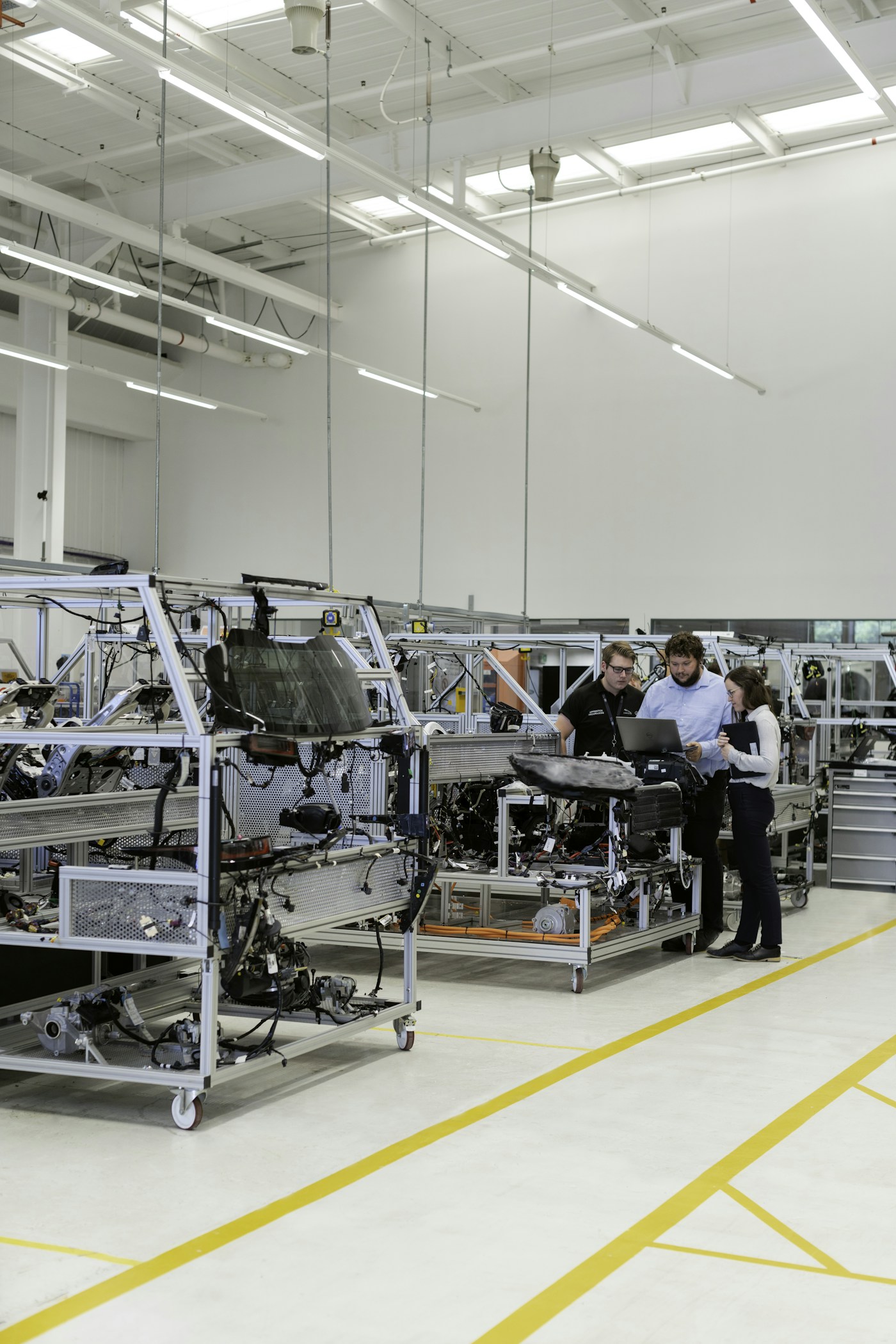
A robot demonstration often shows a complete task performed in a tidy environment. A production line asks a wider set of questions. Parts arrive with variation, upstream work can stop unexpectedly and people need a clear way to respond when the sequence does not proceed as planned.
The starting point is a detailed account of the task. Teams need to know how items are presented, which positions are acceptable and what evidence confirms a successful operation. If experienced operators routinely compensate for variation, those adjustments must be understood before the work can be automated reliably.
Integration also changes the surrounding flow. Faster handling at one station may simply move a queue elsewhere. Space for incoming parts, completed work and rejected items needs to be considered alongside the robot's movement and the relevant safety assessment.
The result should be evaluated as a production arrangement, including changeovers, recovery and maintenance. A cycle completed once is evidence that a movement is possible. Repeating useful work through normal variation is a different achievement, supported by preparation that may be far less visible than the machine itself.
2026-10-05
Manufacturing
2026-09-10
Manufacturing
2026-08-17
Manufacturing
