2026-10-05
Manufacturing
2026-07-23
7 Read.
Replacing a paper instruction with a screen can make updates easier to distribute. It does not automatically make the task easier to understand. The operator still needs to locate the relevant step, recognise the correct condition and know what to do when the situation differs from the example.
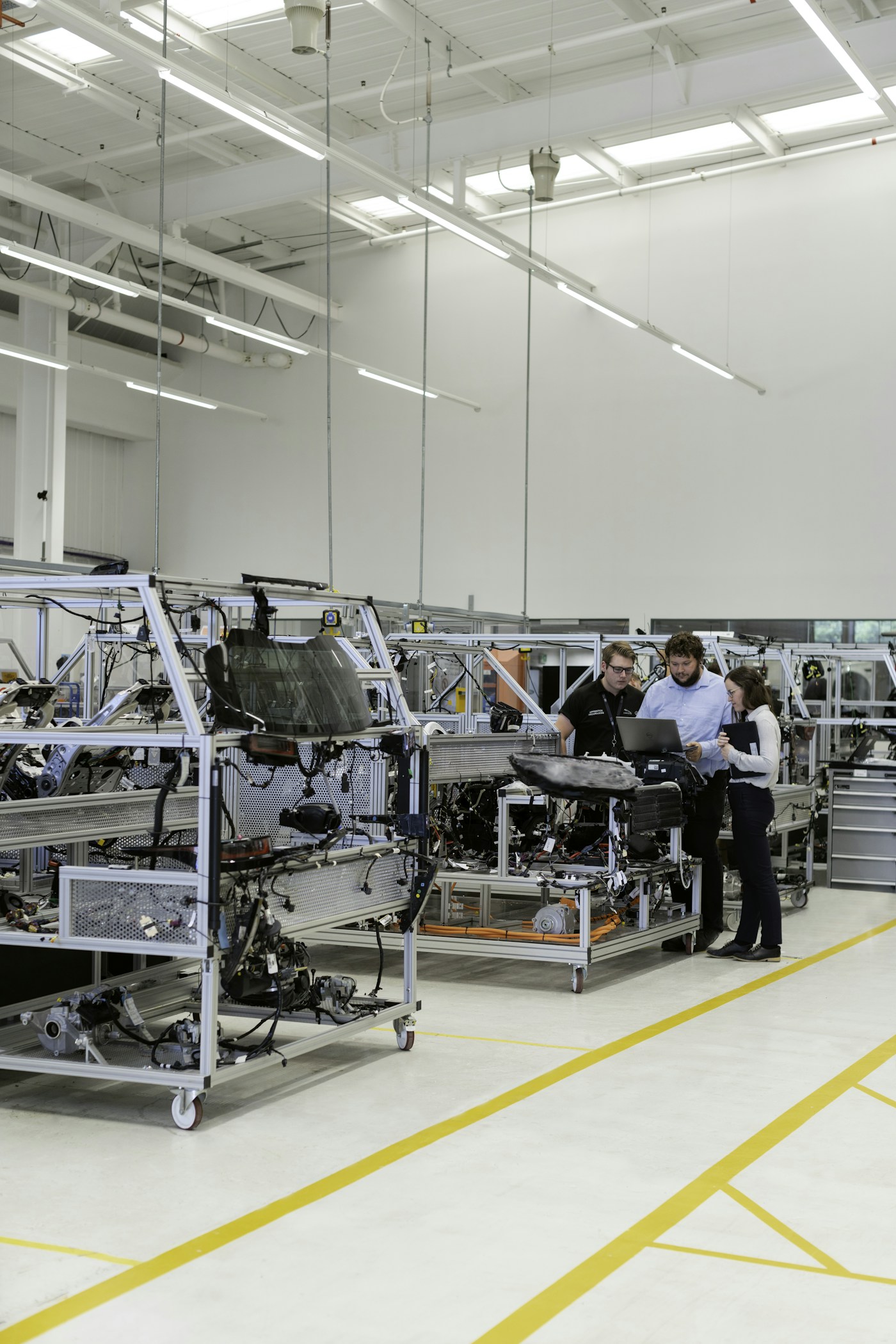
The station is the right place to assess the instruction. Lighting, available space and the sequence of hand movements affect whether an image or diagram can be consulted comfortably. A detailed document that works well at a desk may be awkward to navigate while carrying out the job.
Version control is another essential part of the arrangement. The displayed instruction must correspond to the product and operation in progress. Staff should be able to identify its version and report a discrepancy through a route that leads to review, rather than an informal local workaround.
An effective instruction focuses on decisions and observable results. Photographs can show a critical orientation, while concise text explains what requires checking. Its quality is demonstrated when a trained operator can use it consistently and raise an exception without guessing which part of the process takes priority.

2026-10-05
Manufacturing
2026-09-10
Manufacturing
2026-08-17
Manufacturing
