2026-10-04
Culture
2026-08-16
21 Read.
An exhibition begins before a visitor reads its first paragraph. The distance between objects, the order of rooms and the direction of light all suggest relationships. Curating involves arranging those relationships so that individual works can speak clearly without losing their differences.
Placing two objects together can reveal a shared technique or an unexpected contrast. A familiar form may appear less inevitable when another maker solved the same problem differently. That comparison is strongest when viewers can identify the reason for the pairing through what they see, rather than relying entirely on an explanatory panel.
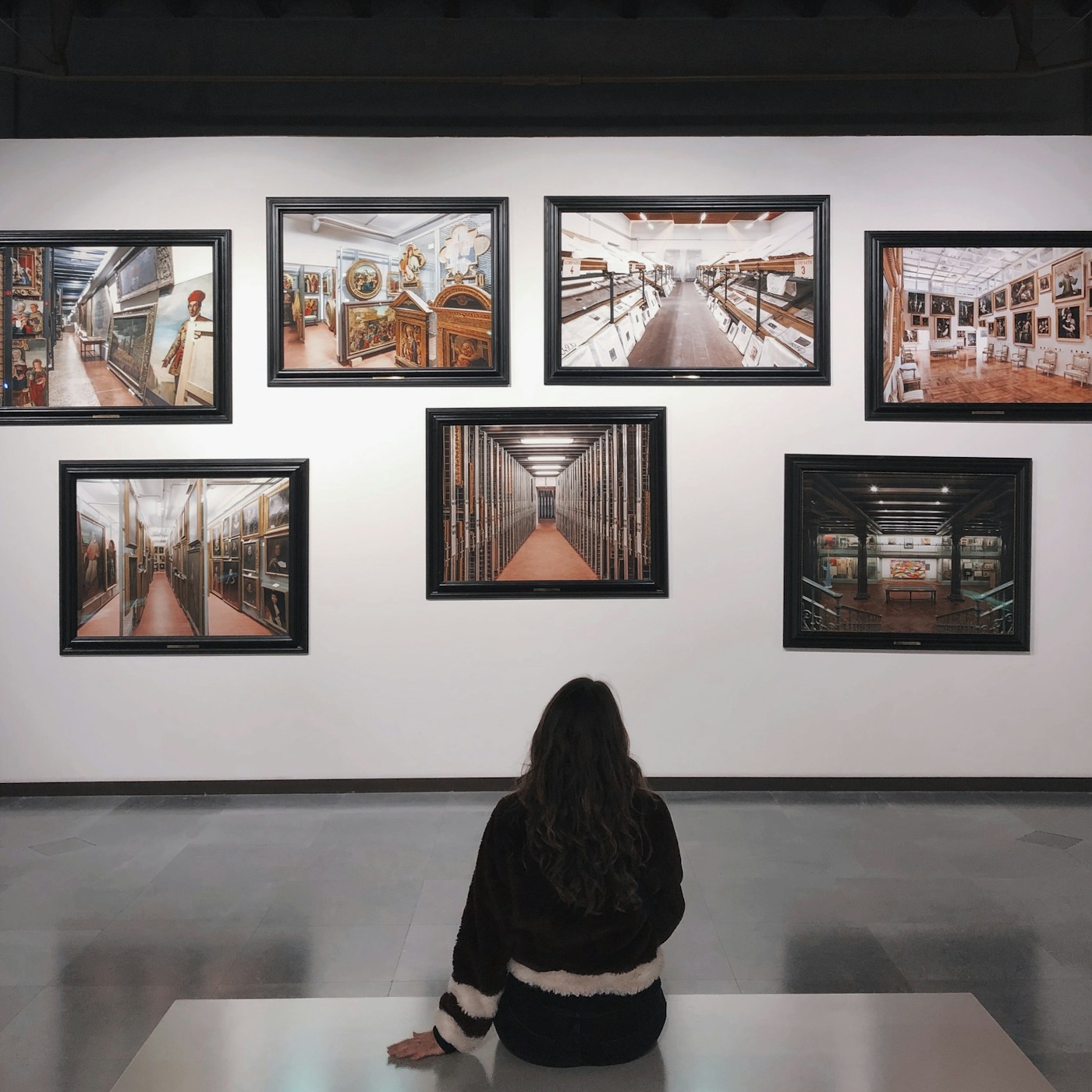
Scale and pacing also shape attention. A crowded wall invites scanning; a single object in an open space encourages a longer pause. Neither arrangement is inherently better. Each creates a different expectation about the kind of looking the exhibition asks of its audience.
A coherent exhibition leaves room for more than one route through its ideas. Visitors arrive with different knowledge and amounts of time. Clear entrances to each section, readable labels and places to pause help them construct a meaningful encounter. The exhibition's argument becomes an invitation to compare, rather than a sequence of conclusions to accept.

2026-10-04
Culture

2026-09-21
Culture
2026-08-16
Culture
