2026-10-02
Companies
2026-01-29
1800 Read.
Across China’s manufacturing sector, many factories are upgrading the way they plan, track, and execute technical projects. As production lines become more automated and software-driven, day-to-day project work increasingly depends on clearer schedules, better coordination, and practical visibility into what is happening on the shop floor.

In that context, practitioners like Chunhua Li focus on the operational side of project planning and execution. She joined BOE Technology Group in 2004 and, since 2024, has been working at Beijing BOE Display Technology Co., Ltd. (BOEDT) in project planning and management, supporting technology-driven programs across the project lifecycle.
BOE itself has become one of the world's most important display and IoT-driven manufacturing companies, filing more than 100,000 independent patent applications worldwide and ranking 12th globally on the 2024 US patent assignee list—evidence of how aggressively China's display industry is climbing the value chain. In such an environment, Chunhua Li’s work is less about broad narratives and more about practical execution: helping project teams keep timelines visible, resources coordinated, and cross-functional tasks aligned.
Trained in electronic information engineering and holding the national Information Systems Project Management qualification, Chunhua Li brings more than two decades of hands-on experience in managing MES (Manufacturing Execution System), IoT and intelligent manufacturing projects. Her work spans schedule and resource planning, cross-department coordination, and continuous process improvement—precisely the mix of skills that China's industrial policy now demands from its technical project leaders.
A central thread in her contribution is a portfolio of registered software copyrights that translate abstract project-management theory into operational tools. Among them, one system stands out as emblematic of the era: “A Process Visualization Based Project Execution Monitoring Software”.
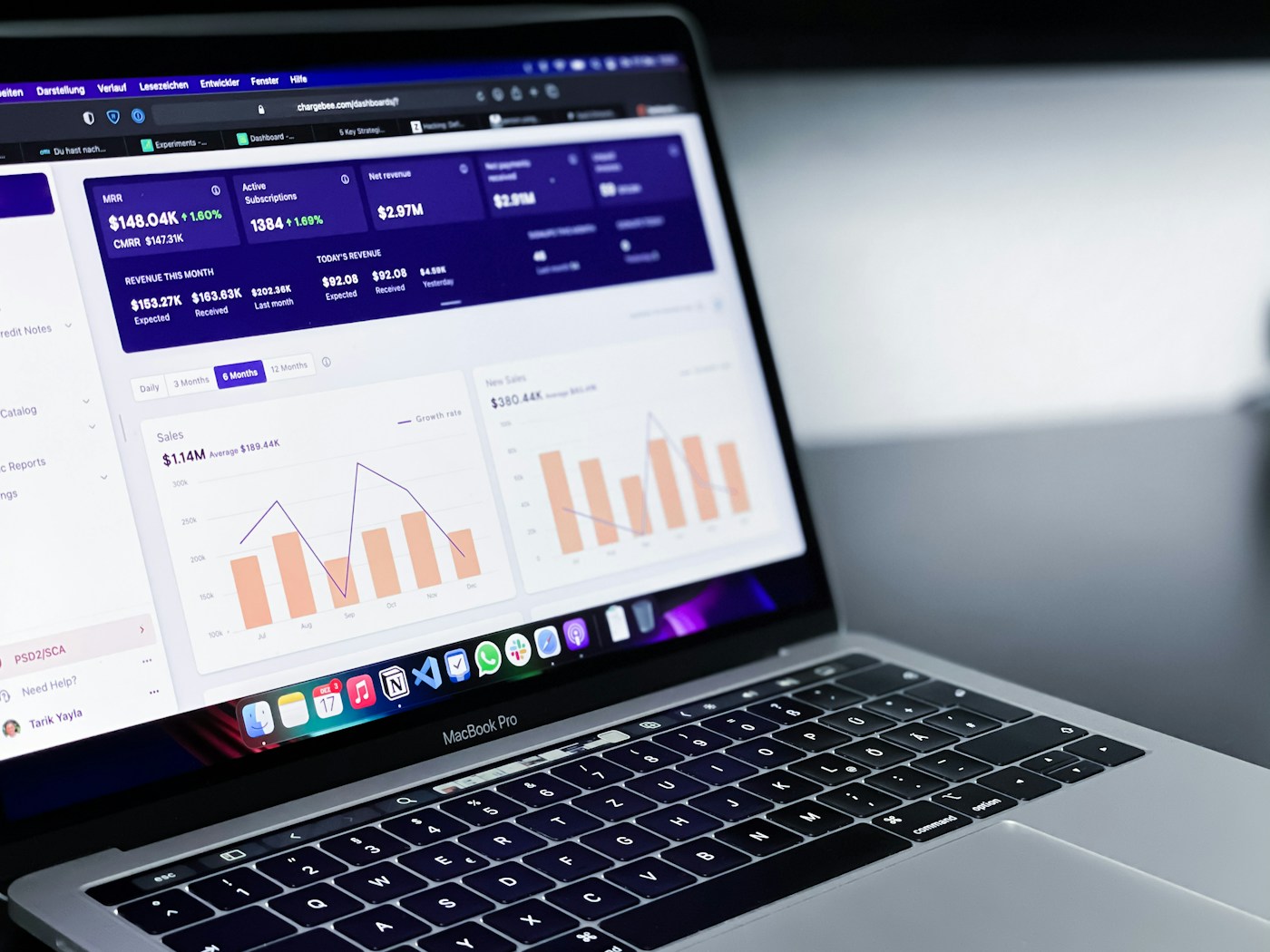
This software turns the entire project lifecycle into a visual, data-driven “dashboard,” integrating critical-path charts, progress milestones, and abnormal-status alerts. Its core purpose is straightforward but powerful: to give managers real-time control over project status and to ease the chronic difficulty of tracking schedules when multiple projects run in parallel on the same production platform. In factories where a single delay can ripple through high-value display production lines, that kind of process visualization is no longer a luxury—it is infrastructure.
The process-visualization platform does not stand alone. It is part of a broader sequence of systems that Chunhua Li has helped bring into being, each addressing a different bottleneck in intelligent manufacturing. Taken together, these systems mirror the macro-level shift that national planners describe: from experience-driven management toward data-driven, platform-based governance of manufacturing projects. As manufacturers push for deeper integration of digital tools across operations, Chunhua Li’s software helps translate that intent into practical day-to-day workflow—screen by screen and alert by alert on the factory floor.
Her influence is also reflected in the internal management practices of the company. At BOEDT, Chunhua Li not only undertakes specific projects but also plays an active role in knowledge sharing and process optimization. Internal records show that the paper Technological Innovation, Winning through Quality — Innovation in AMHS Spare Parts Management, for which she served as the core drafting author, won the Second Prize in BOEDT’s 2016 Quality Innovation Competition. In corporate training she was granted the Second Prize for Best Presentation Style Lecturer, and she has served as an internal consultant for Six Sigma lean management. The CIM Pull-Kanban Material Control System she proposed received the “Gold Idea Award.” Taken together, these achievements point to a single core theme: leveraging structured methodologies and digital tools to continuously eliminate process bottlenecks in complex manufacturing environments.
All of this is unfolding against the backdrop of a manufacturing sector that has stayed at the center of China's growth story. Official data show that the country's high-tech manufacturing value added has risen sharply during the current planning period, with the digital economy's core industries growing substantially faster than GDP as a whole. BOE's own innovation metrics—top-20 global rankings in patents and an expanding portfolio across displays, sensing and AI—underscore how strategic the display and electronics segment has become.
In that sense, Chunhua Li's trajectory—from joining BOE in 2004 to stepping into her current BOEDT project-planning role in 2024—is not just a personal career arc. It reflects a broader operational shift many manufacturers are making: bringing clearer visibility and stronger coordination to factory-floor execution through software, visualization, and practical data management—so that projects, production lines, and shifts can run more consistently in an increasingly digital environment.
For manufacturers evaluating whether smart manufacturing practices can be scaled, profiles like Chunhua Li’s offer a practical reference point. Progress often depends less on big statements and more on people who can translate improvement goals into working systems—and keep those systems reliable when production schedules tighten.

2026-10-02
Companies
2026-09-17
Companies

2026-08-27
Companies
