2026-10-02
Companies
2026-09-17
25 Read.
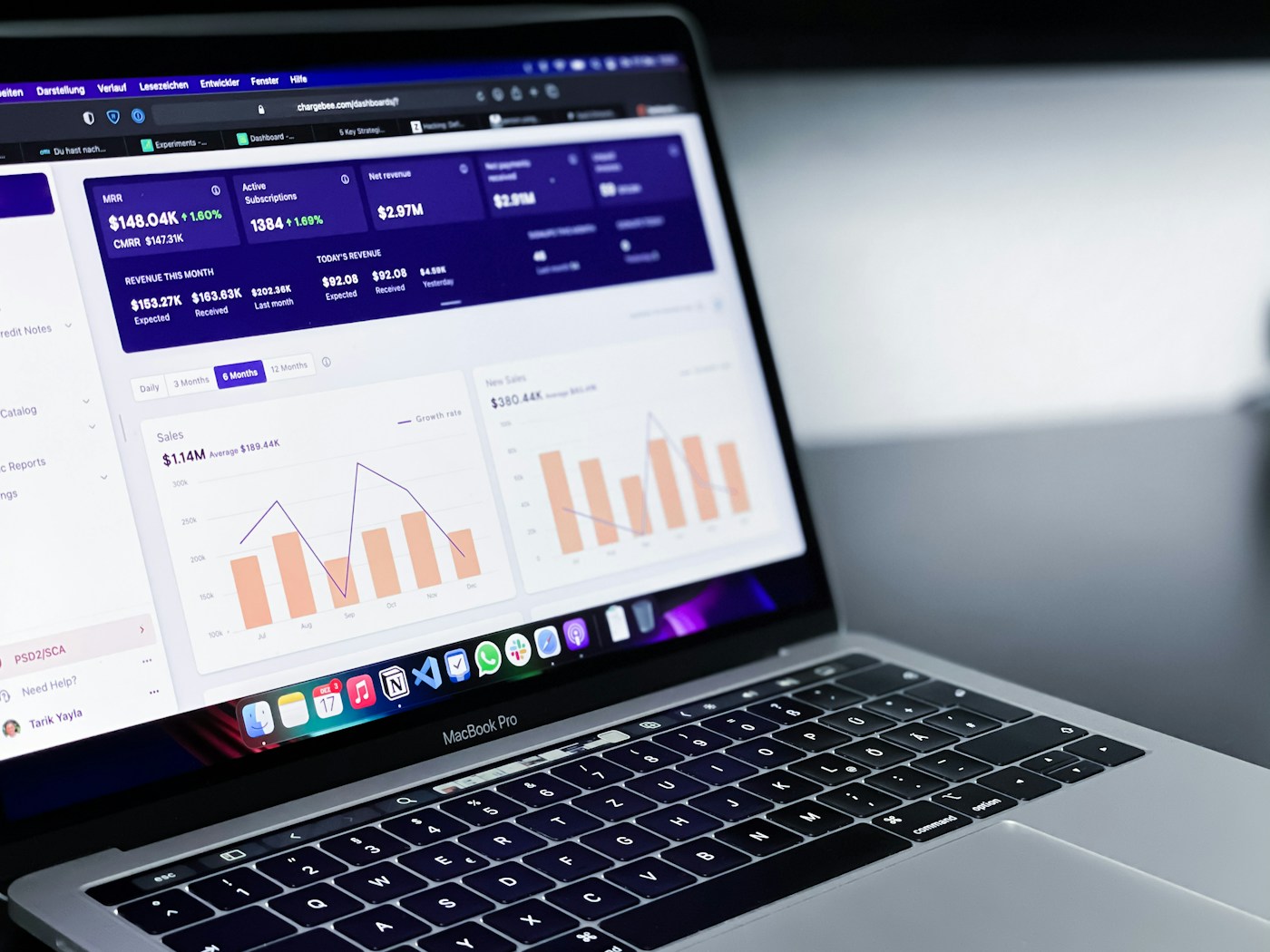
A dashboard can become less useful as it becomes more impressive. Different departments request additional measures until the screen contains several competing accounts of performance. Staff can see that something has changed without knowing which decision should follow.
The starting point is the decision, not the available data. A team scheduling next week's work needs different information from a manager assessing a year-long programme. Combining both purposes can make short-term fluctuations look strategically important while obscuring problems that need an immediate response.
Definitions also require attention. A completed order might mean payment received, goods dispatched or customer acceptance, depending on the team supplying the number. A small set of consistently defined measures is easier to discuss than a larger set whose meaning changes between meetings. Showing the reporting period and the time of the latest update helps prevent another common misunderstanding.
Useful dashboards invite questions rather than declaring success on their own. A change in the headline measure should lead to a view of the cases behind it, including missing records and exceptions. The aim is to shorten the distance between noticing a problem and understanding enough about it to act.

2026-10-02
Companies
2026-09-17
Companies

2026-08-27
Companies
